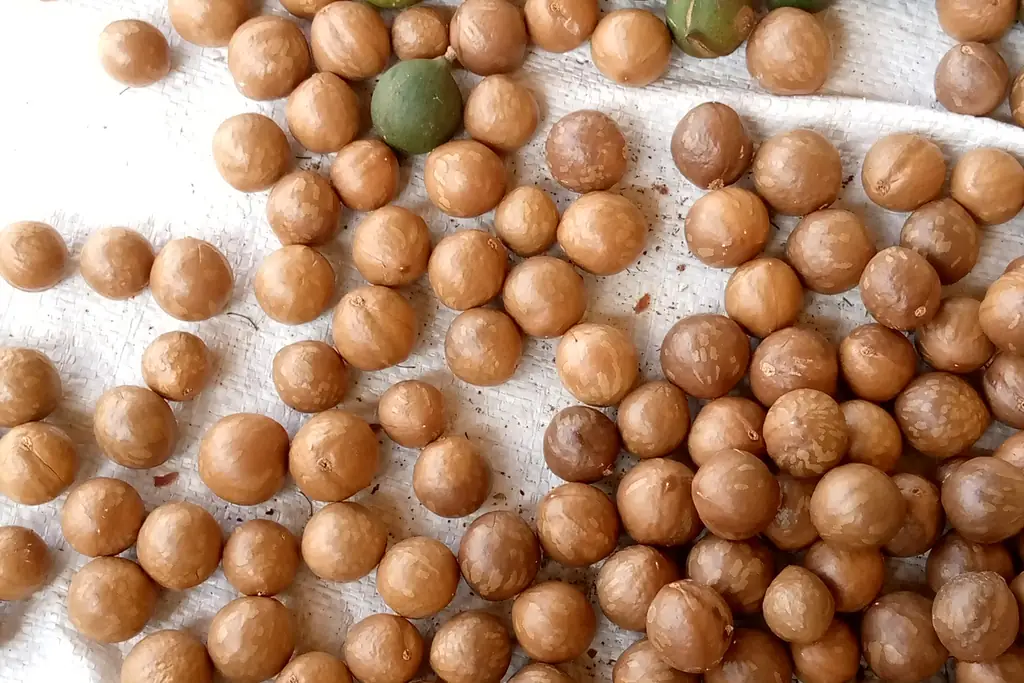
Macadamia
Nuts with no buyer
Processors reject wet or immature nuts. Farmers who cannot get paid pick early and sell to whoever comes with cash.
Our answer: farmers learn what buyers need before the harvest, not after.
We protect what we were handed, and fix what stands in its way.
Our land, our trees and our children’s learning are what we hand on. We protect them with practical answers: buyers for what farmers grow, trees that earn their keep, and children who stay in school.

The problem we keep seeing
Processors reject wet or immature nuts. Farmers who cannot get paid pick early and sell to whoever comes with cash.
Our answer: farmers learn what buyers need before the harvest, not after.
How we work
Tap a step to read it. This is the order we do things in, every time.
Step 1 of 5
We talk to processors and buyers in Kenya and abroad before anything is planted, so farmers put their land and effort into crops with real demand.
Who leads Rithi
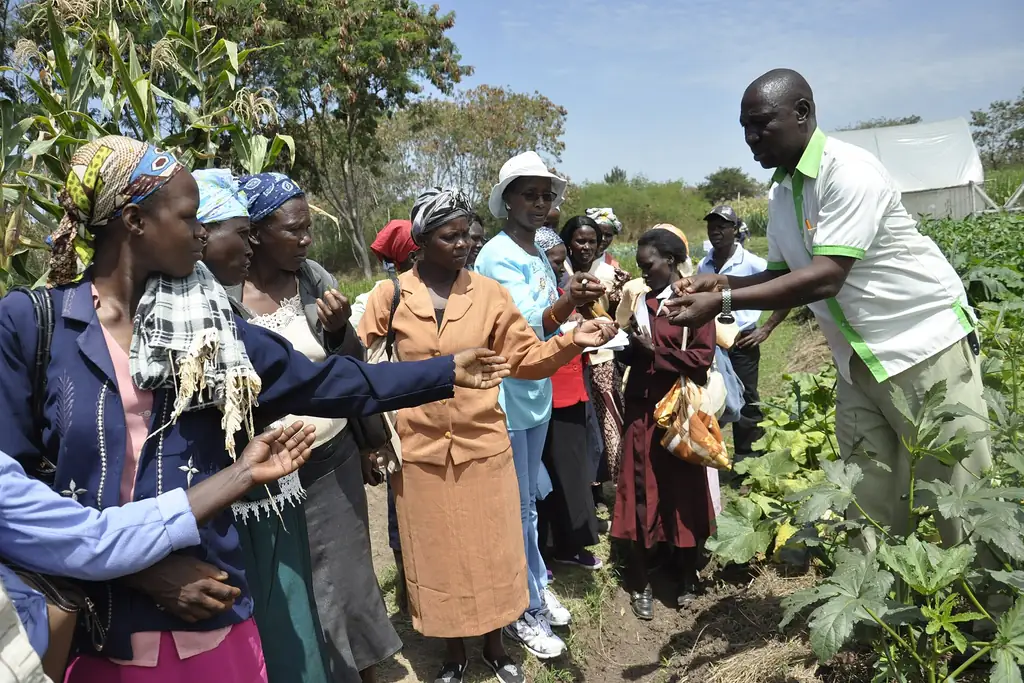
Rithi is led by experienced, skilled people rooted in this community. Our team members work alongside farmers so that what they grow meets buyers’ standards.
Our land and crops
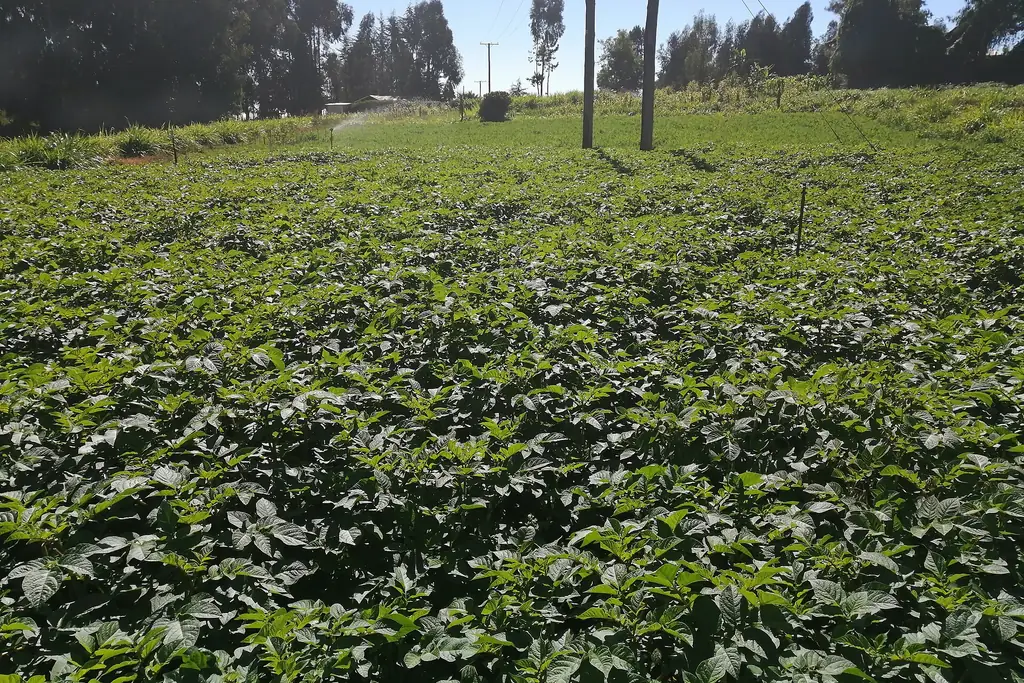
Nyambene, Timau and the upper Meru slopes. Cool, wet, volcanic soils. Good roads to Nairobi for air freight.
What the buyer checks
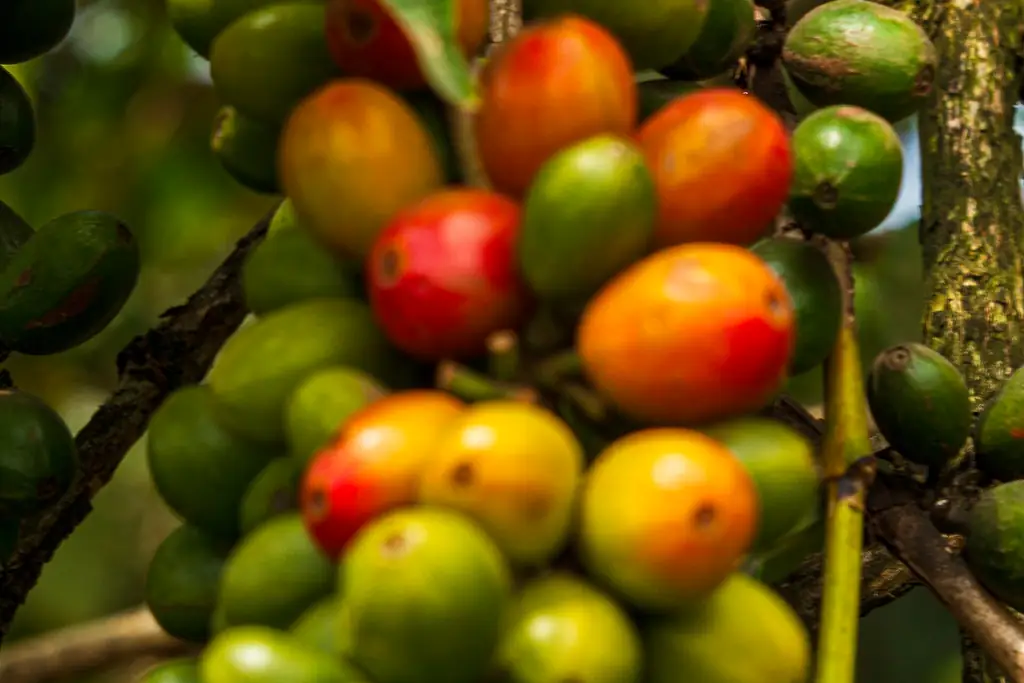
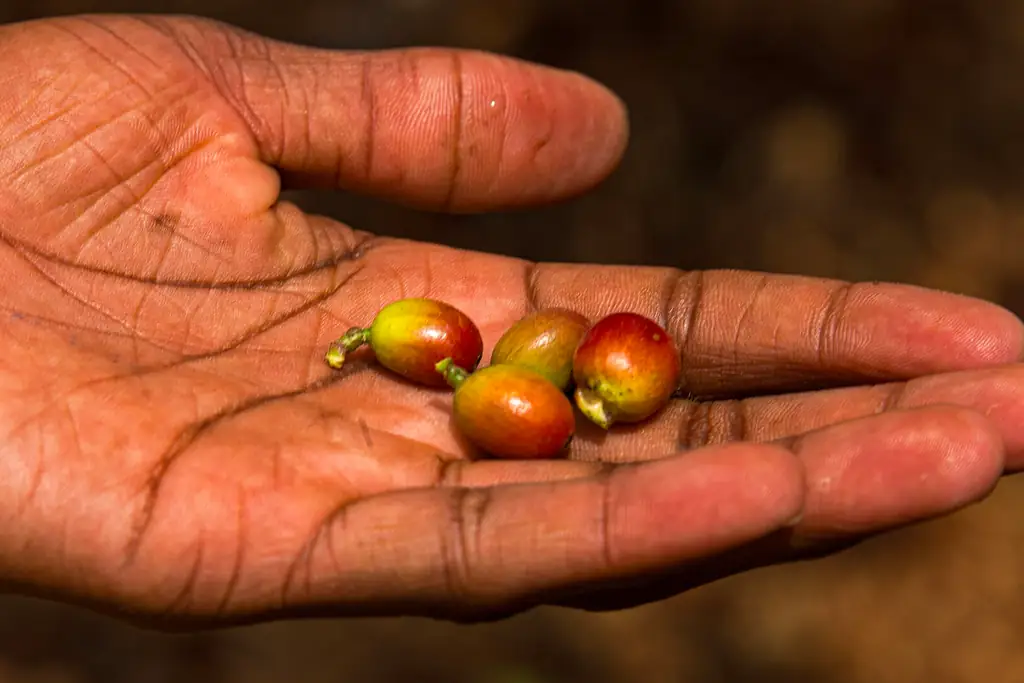
Cup score, screen size, moisture under 12%, processing method, traceability to the washing station. Direct sales are now allowed under the Coffee Act.
Who buys: Specialty roasters and importers in Europe, the Gulf, Japan and the US.
What the buyer checks
Kernel style (wholes versus halves), moisture around 1.5%, aflatoxin, peroxide value, size and colour. Nuts picked immature or stored wet fail here.
Who buys: Kernel processors and snack companies in Germany, the Netherlands, Greece and the US.
What the buyer checks
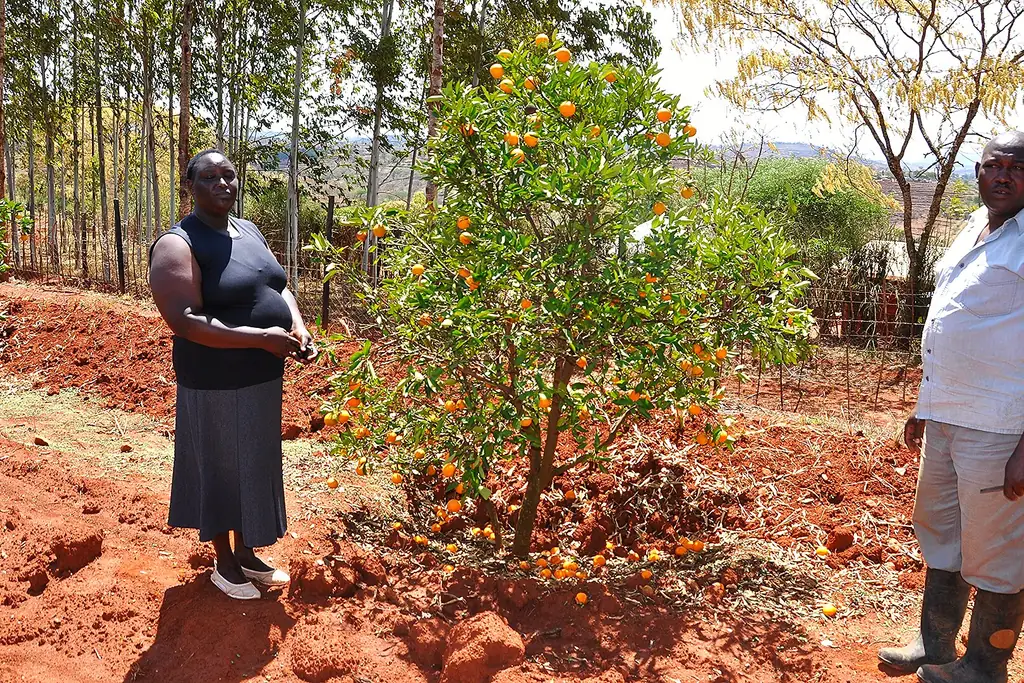
Dry matter of 20 to 24% at harvest, size count, skin damage, cold chain within hours of picking, GlobalGAP for Europe.
Who buys: Importers in the Netherlands, the Gulf and China.
What the buyer checks
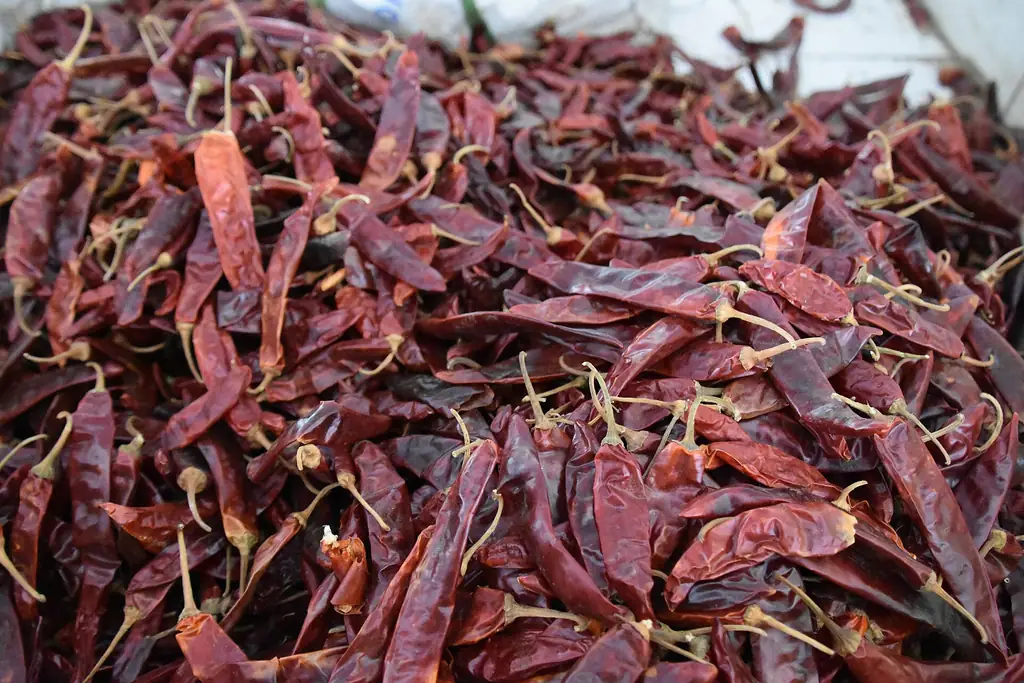
Zero pesticide residue above EU limits, no thrips, chilled within an hour, airfreight the same day. One rejected box can cost a whole group its contract.
Who buys: Kenyan herb exporters on contract, and Gulf grocers by air.
What the buyer checks
Oil content for canola, pyrethrin content for pyrethrum, delivered dry and clean to the processor’s depot.
Who buys: Kenyan processors such as oil mills and pyrethrum companies.
What the buyer checks
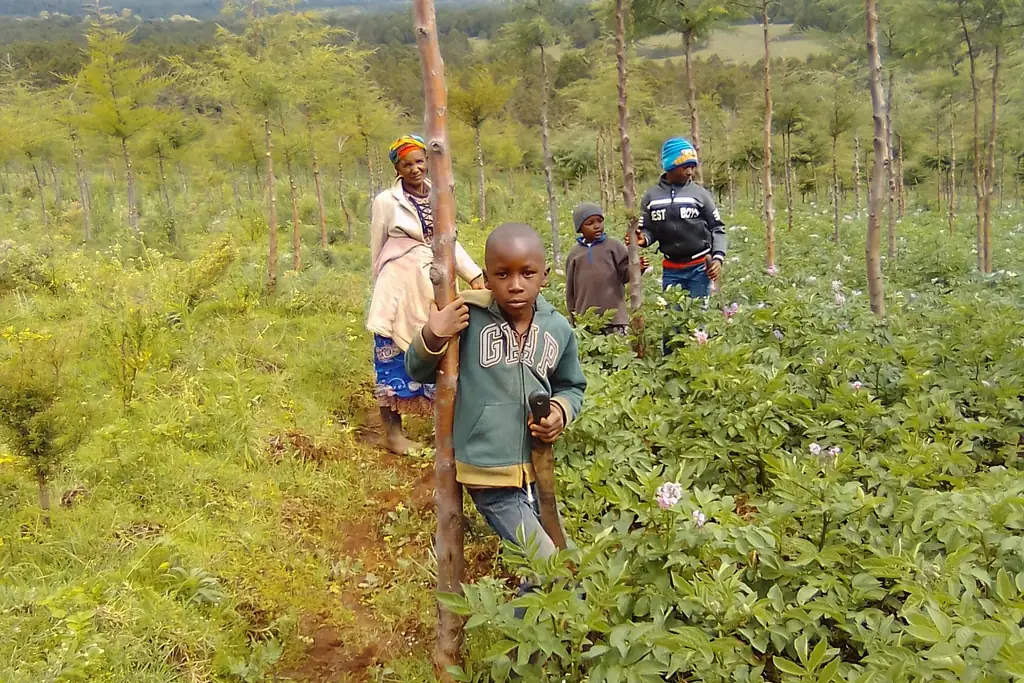
Straight stems, girth at felling, a KFS permit to move timber. Grown mainly for the farm’s own long term savings.
Who buys: Kenyan sawmills and builders.

Heritage is more than land. Alongside the farms we keep children in school and reading, and we give young people practical skills they can use at home.
After school reading and homework sessions run by our volunteers, so children keep up and stay in school.
What we are doing now
Last updated 4 October 2026.
Macadamia buyers in Europe
Discovery letters sent to kernel processors in Germany, the Netherlands and Greece asking for their specifications. Replies pending.
Gum arabic site visit planned
Arranging a visit to planted Acacia senegal at Kiambere to see real yields before we recommend it to members.
Chilli and coffee enquiries
Enquiries sent to dried chilli buyers in Europe and specialty coffee roasters in the UAE.
Registration
Preparing Rithi’s registration as a community group under the Community Groups Registration Act.
Work with us
Tell us where your land is, what grows there now and what you would like to grow. We will visit, map the plot and tell you plainly what buyers want from that zone.
Membership is open to farmers and landowners in Meru, Isiolo and Embu. There is no joining fee.